
Hearing Aids
Hearing aids are small, lightweight electronic devices which, depending on the style, sit in either inside or outside your ear. Their principal role is to naturally and comfortably enhance speech.
Hearing aids have a sound pick-up microphone, an amplifier to make it louder, and a receiver to deliver the signal into the ear canal. Microphones transmit sound to a computer chip in modern digital aids, which change the volume and amplify the sound frequencies needed to help improve your hearing.
Once the hair cells are damaged in your inner ear, there's no way to heal them. Yet hearing aids can significantly boost your listening abilities by making sounds louder and easier to understand.
Hearing aids are not the same as personal sound amplifier products (PSAPs) that are primarily used for the hearing of other sounds in quiet environments. Although similar, PSAPs don't replace hearing aids and are not approved by the U.S. Food and Drug Administration to treat hearing loss.
Hearing aid styles
The best hearing aid for you depends on many factors, including your hearing loss level and extent, lifestyle, and physical ability. The sheer number of options can be overwhelming, so we've listed some of the most common types for you to consider.
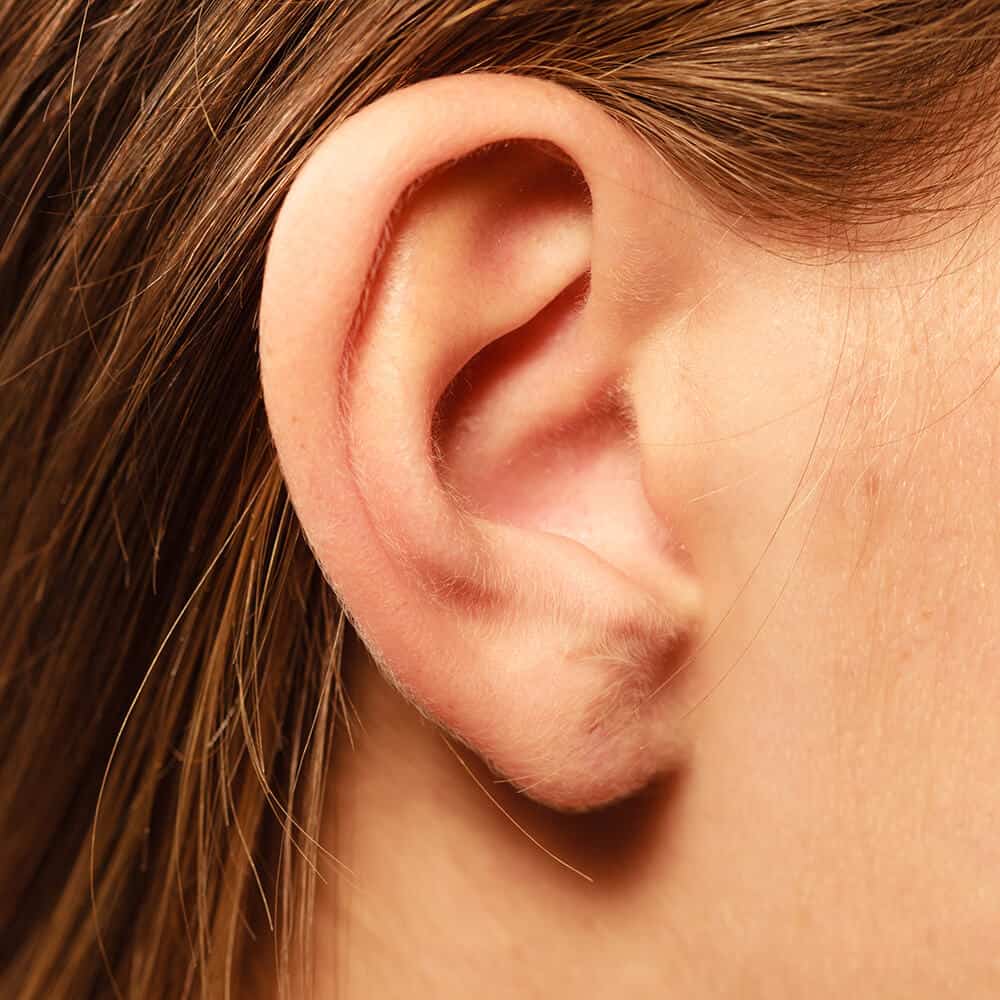 These are custom-made and positioned very deep down into the ear canal, rendering them practically invisible. Aside from being the most discreet style you can find, they deliver natural sound and work well with moderate to mild hearing loss.
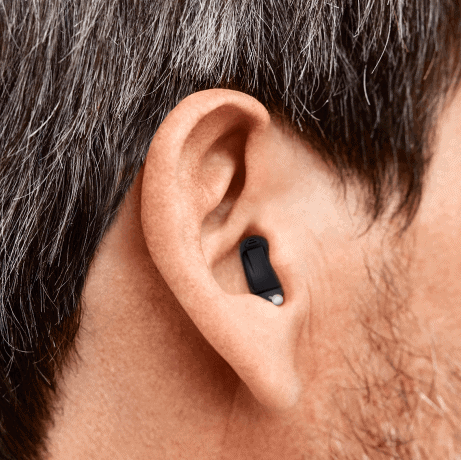 CIC hearing aids are designed to fit inside of the ear canal, similar to the IIC style. Again, they are incredibly discreet. For those with mild to moderate hearing loss, a CIC hearing aid is a solid choice.
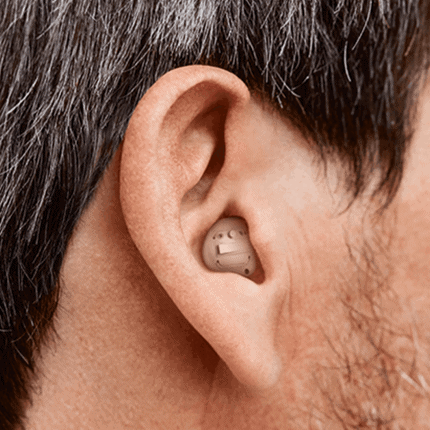 ITC hearing aids lay just inside the ear canal. They are reasonably subtle when wearing, and feel less plugged in than the smaller styles. They also boast a slightly improved battery life.
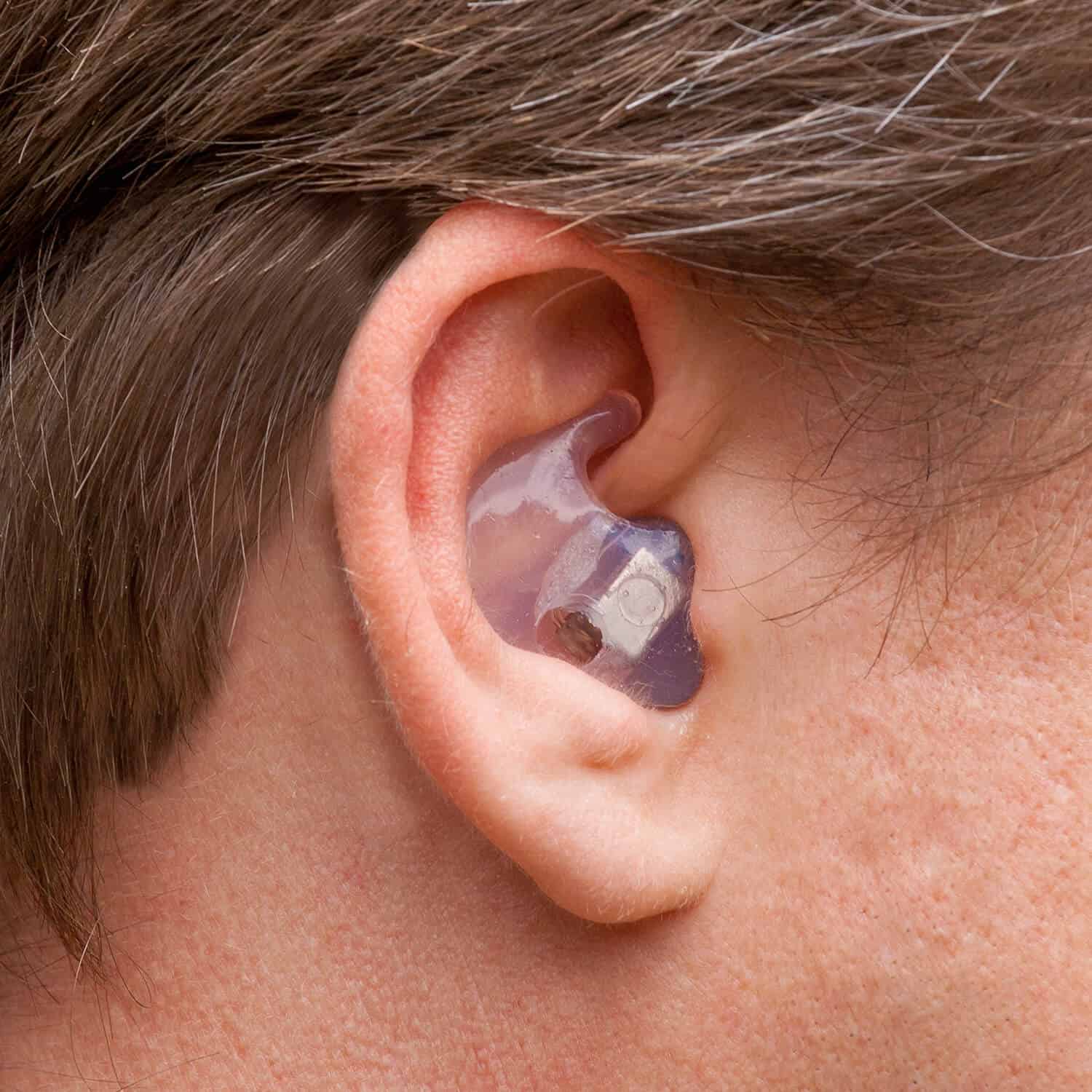 These devices rest in the ear bowl, plugging the entrance to your ear canal gently. They are easier to fit and handle than smaller types and boast a broader range of features.
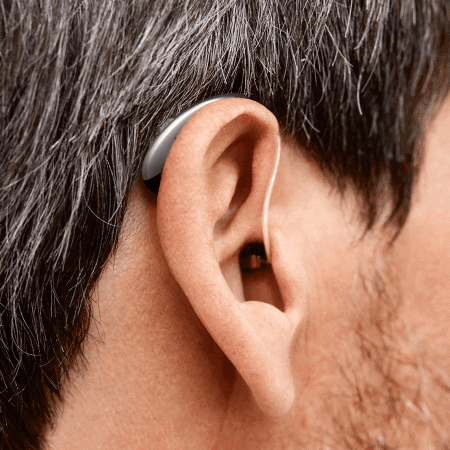 RIC hearing aids house a small device behind the ear as well as an earmold inside the ear canal. It is excellent for reduced feedback, has a wide range of features, and boasts a great battery life.
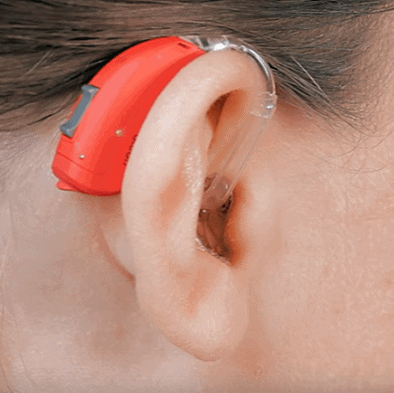 With this type, the sound is transmitted to the ear via the tubing linking the case with the receiver and a custom earmold fitted inside the ear canal. They usually have the longest-lasting batteries and the most comprehensive level of features available.
New hearing aid technology
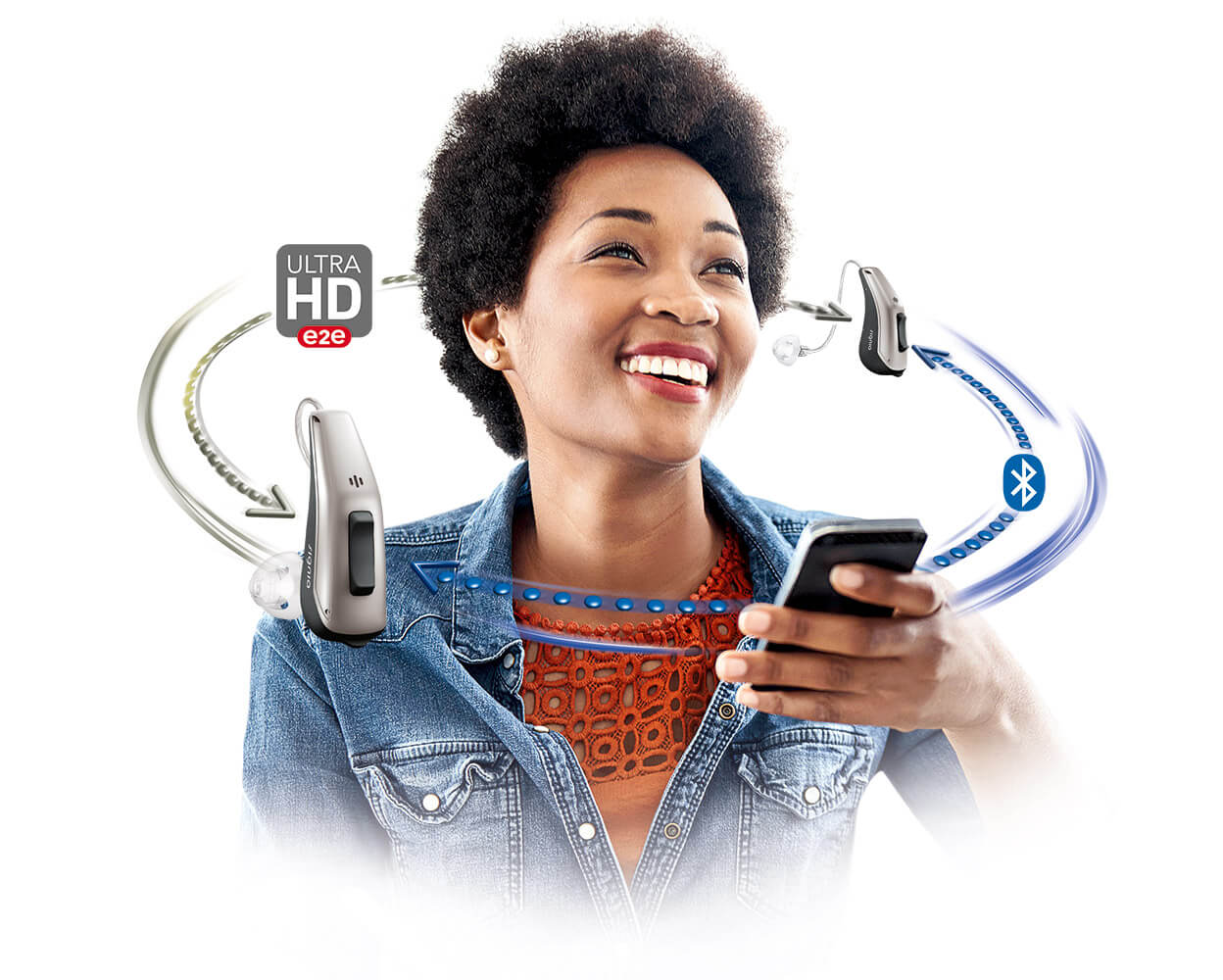 A common trend in hearing aids is to provide direct wireless connectivity to iPhones and other smartphone devices via Bluetooth technology. This allows you to stream telephone calls, music, and video right to your hearing aids. Included with most smartphone Bluetooth hearing aids is an app that allows users to change their device's audio levels and directionality.
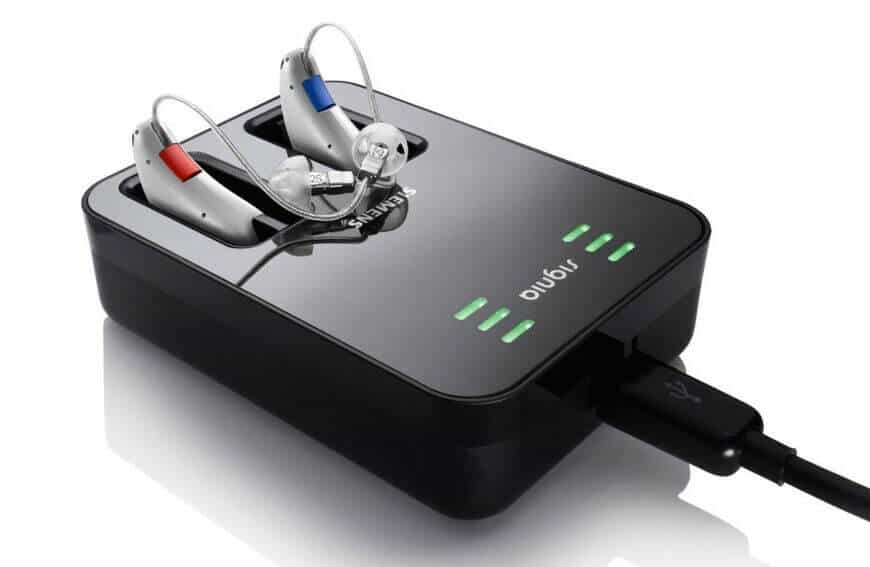 These are now a recent innovation of hearing aids, with individual systems capable of carrying a single charge for 24-48 hours. Many hearing aids now even come along with a feature that will alert you when the battery is low. Since these batteries are often powered by lithium-ion or silver-zinc, they can not be removed manually from their compartment. They are, however, straightforward to charge, and the benefits of not having to replace batteries every week cannot be overstated. The majority of lithium-ion batteries in rechargeable hearing aids last as long as the hearing aids themselves, so replacing them will probably never become an issue.
Professional Hearing Aid Fittings with Advanced Hearing Aid Solutions
Although it can be challenging to recognize the need for hearing aids, going without them raises the risk for a host of social and medical issues, including loneliness, cognitive decline, and depression. And studies have shown high satisfaction rates when treating hearing loss with hearing aids. With the advent of cutting edge technology and improved fitting techniques, there has never been a better time to wear a hearing aid. Contact us today to learn more!